
战狼2
N China's Inner Mongolia launches homegrown ‘Breeding No.2’ gene chip for quality dairy cattle breeding_我的网站

A |
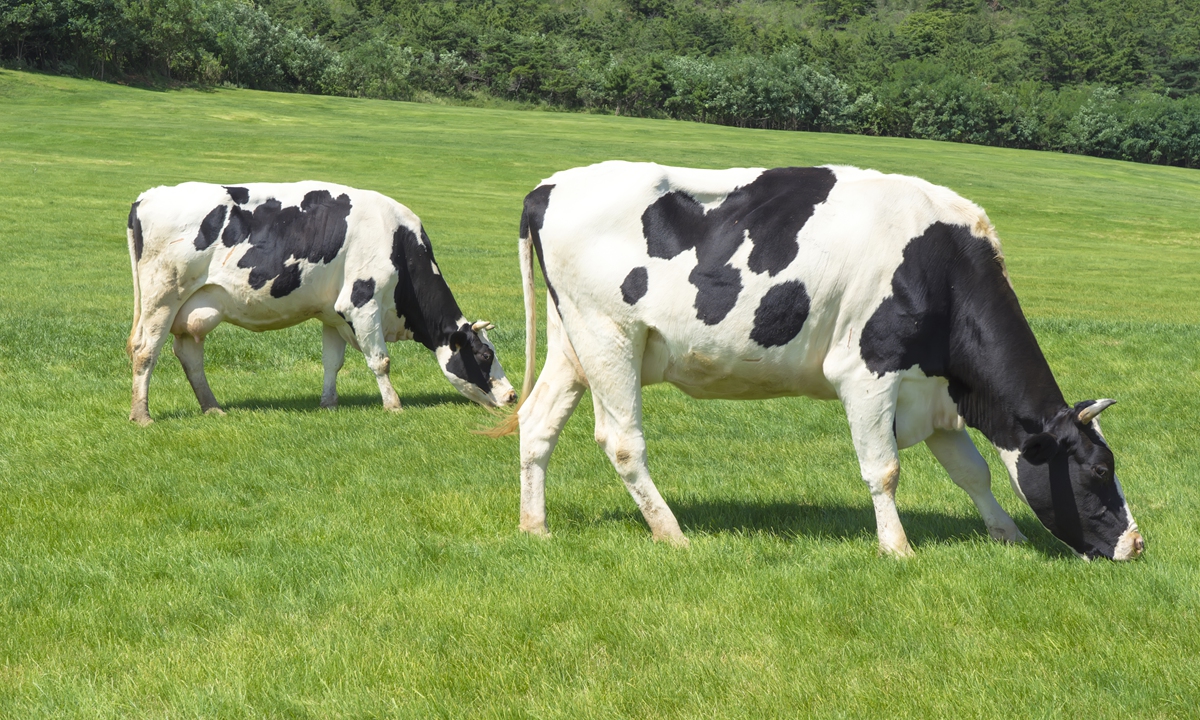
North China's Inner Mongolia Autonomous Region has launched a genomic breeding tool for dairy cattle, also known as a gene chip, enabling precise screening for key traits such as high milk yield, high fertility, disease resistance and longevity, and marking a fresh breakthrough in China's dairy cattle breeding technology, the Inner Mongolia Daily reported on Saturday.
As an iteration of the previous generation dairy cattle breeding array, which holds proprietary intellectual property rights, the new-generation "Breeding No.2" breeding array was led by the National Center of Technology Innovation for Dairy and developed by Youran Dairy Saikexing, with upgrades in loci coverage, compatibility and gene-trait prediction algorithms.
The "Breeding No.2" breeding array covers about 50,000 loci across the dairy cattle genome, with a focus on functional loci tied to milk production, reproduction, disease resistance and length of productive life. It has achieved a sample call rate of 99.65 percent and a genotyping concordance rate of 99.91 percent for duplicate samples, and is compatible with mainstream international chips, allowing historical breeding data to be shared and reused.
Drawing on a phenotype database and genome resequencing data to optimize a proprietary algorithm, advancing breeding evaluation from qualitative screening to quantitative assessment, bringing the accuracy of breeding stock selection up to advanced international levels, according to the report.
The breeding array enables more precise genomic selection of calves at an early stage, substantially shortening the generation interval in breeding bull selection and cutting spending on raising low-performing replacement heifers. Compared with imported high-density chips, the "Breeding No.2" chip carries a lower per-sample testing cost and delivers stronger input-output returns, making it highly suited to large-scale dairy cattle breeding operations in China, the report said.
Global Times
。 见手青,是牛肝菌的一种,以味道鲜美、肉质紧实深受消费者喜爱。进入八月下旬,云南野生菌集中上市期逐渐收尾,市场上高品质黄牛肝菌的供应明显减少。而在云南省文山州富宁县,经过多年技术攻关实现规模化培育的“见手青”已实现规模化生产,正错峰上市,日产鲜菇可达六吨,成为云南人餐桌上的“野生菌新宠”。
 “见手青”过去一直是靠天吃饭的“夏季限定”,人工规模化培育更是行业公认的技术难题。当地如何攻克技术难关,让这种难得一见的野山珍走上寻常百姓的餐桌?
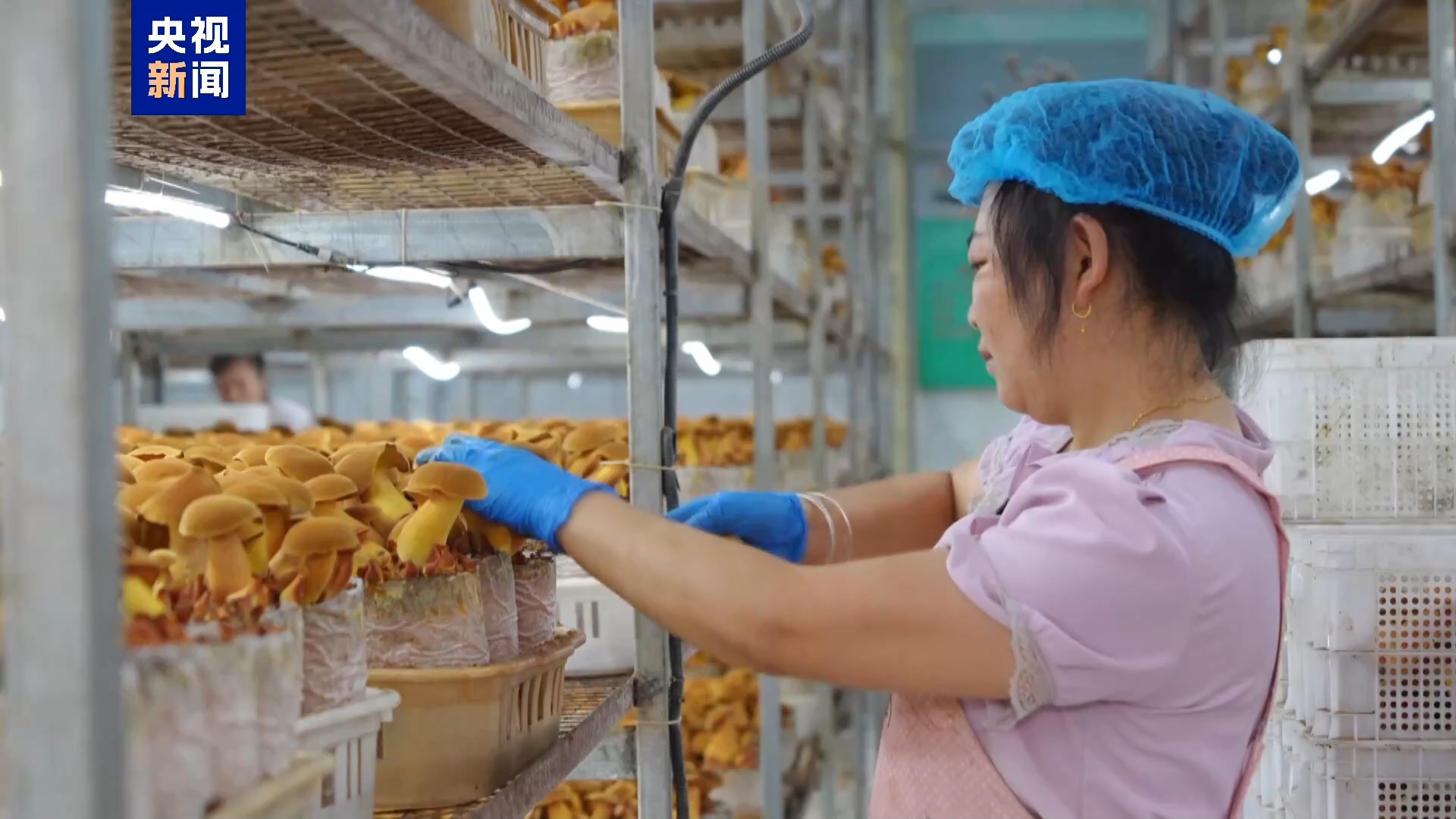 在富宁县里达镇的标准化培育基地里,工人们正穿梭在智能恒温菇房之间,小心翼翼采收刚成熟的黄牛肝菌。菌盖圆润肥厚,菌柄粗壮敦实,刚摘下的鲜菇带着湿润的原生菌香,随即被送入分拣车间,修整、装盒、贴标各环节衔接顺畅,直接搭上冷链物流车发往省外。
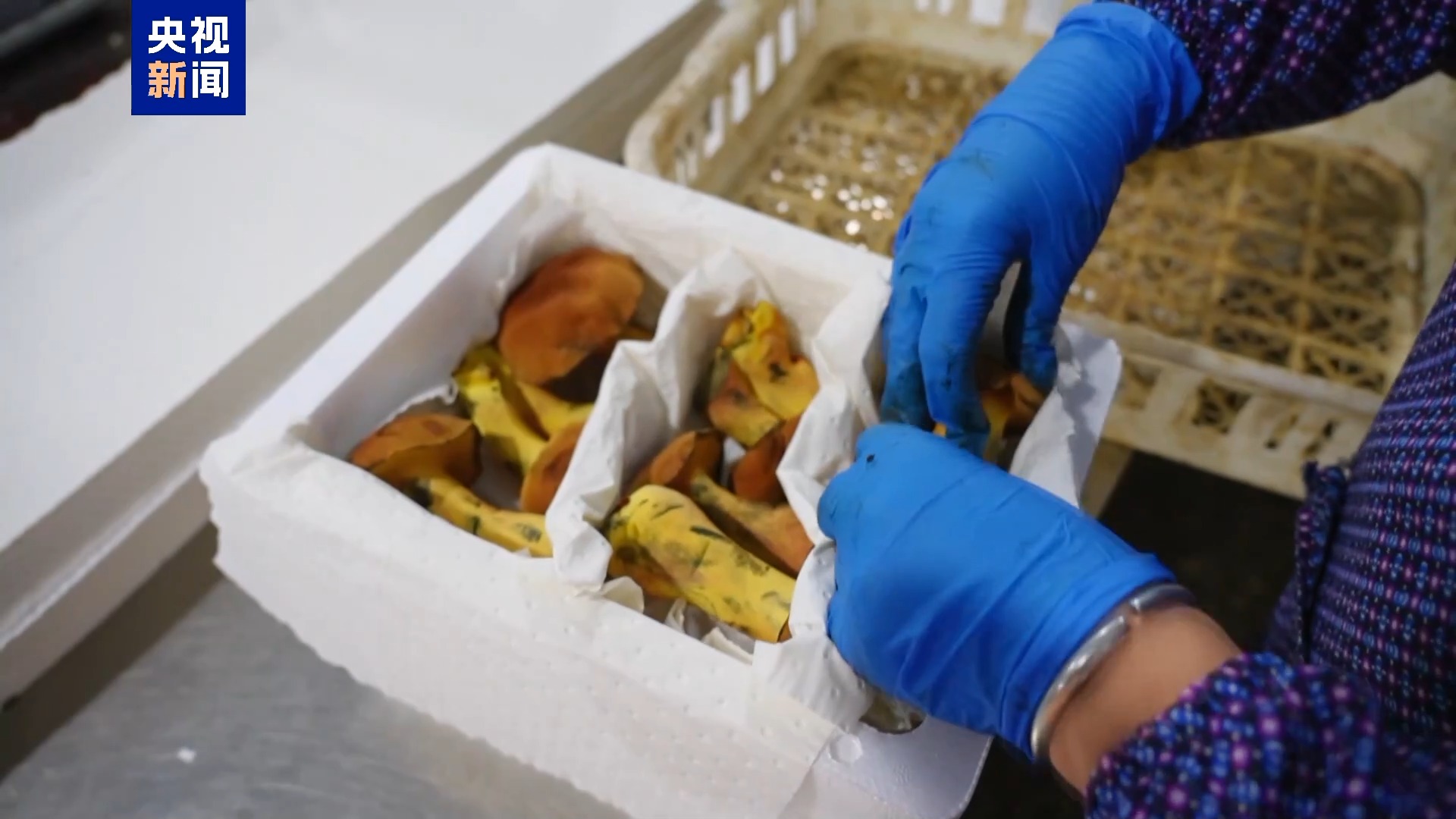 依托当地海拔1300米的温润气候和优良生态基底,基地通过智能设备精准调控菇房内的温度、湿度、光照参数,完全模拟野生黄牛肝菌的野外生长环境,可实现全年循环不间断出菇。目前鲜菇批发价格为50—70元每公斤,干菇按等级划分,每吨售价达10万至30万元。
B | 主要发往昆明、广州、深圳等城市,再通过空运中转直达上海、福州等地的消费市场,错峰上市的新鲜黄牛肝菌一上架就受到消费者青睐。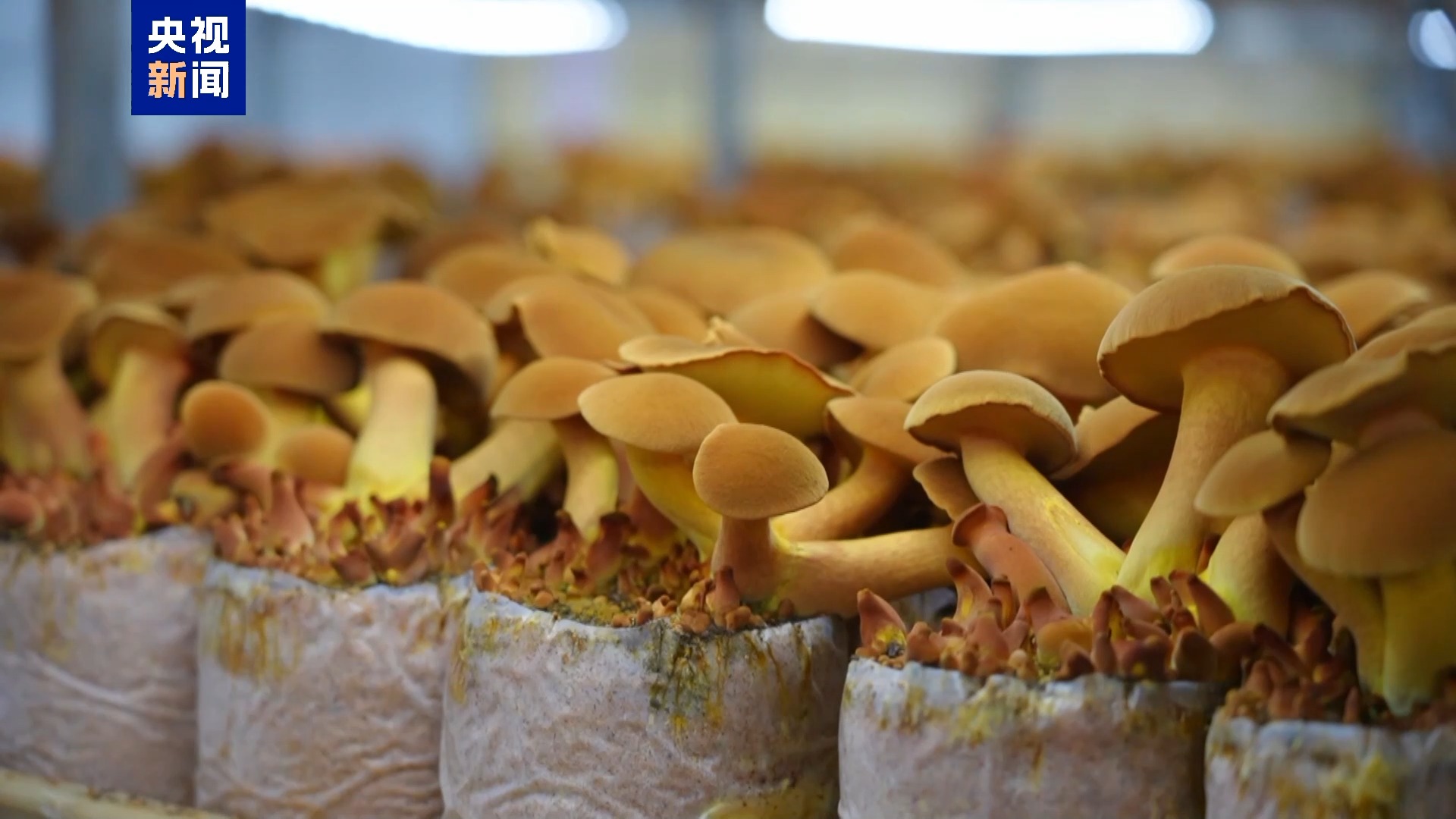 云南富宁县见手青培育基地技术员何绍东介绍,他们通过搭载智能设备的菇房调控温度、光照、湿度,匹配黄牛肝菌也就是见手青的生长所需条件,菌包进入出菇房7天左右就可以采收,完全摆脱了大自然的束缚,让消费者全年都能吃到云南的新鲜见手青。目前,他们日产黄牛肝菌6吨左右,年产值大概7000万元。 何绍东还介绍,人工培育的见手青是科研人员从野外采集优质黄牛肝菌菌种,联合福建古田国内顶级食用菌技术团队,经过母种提纯、菌棒配方调试、温湿度参数优化等上千次试验,最终成功申请国家发明专利,实现了人工培育黄牛肝菌的标准化量产。

C | 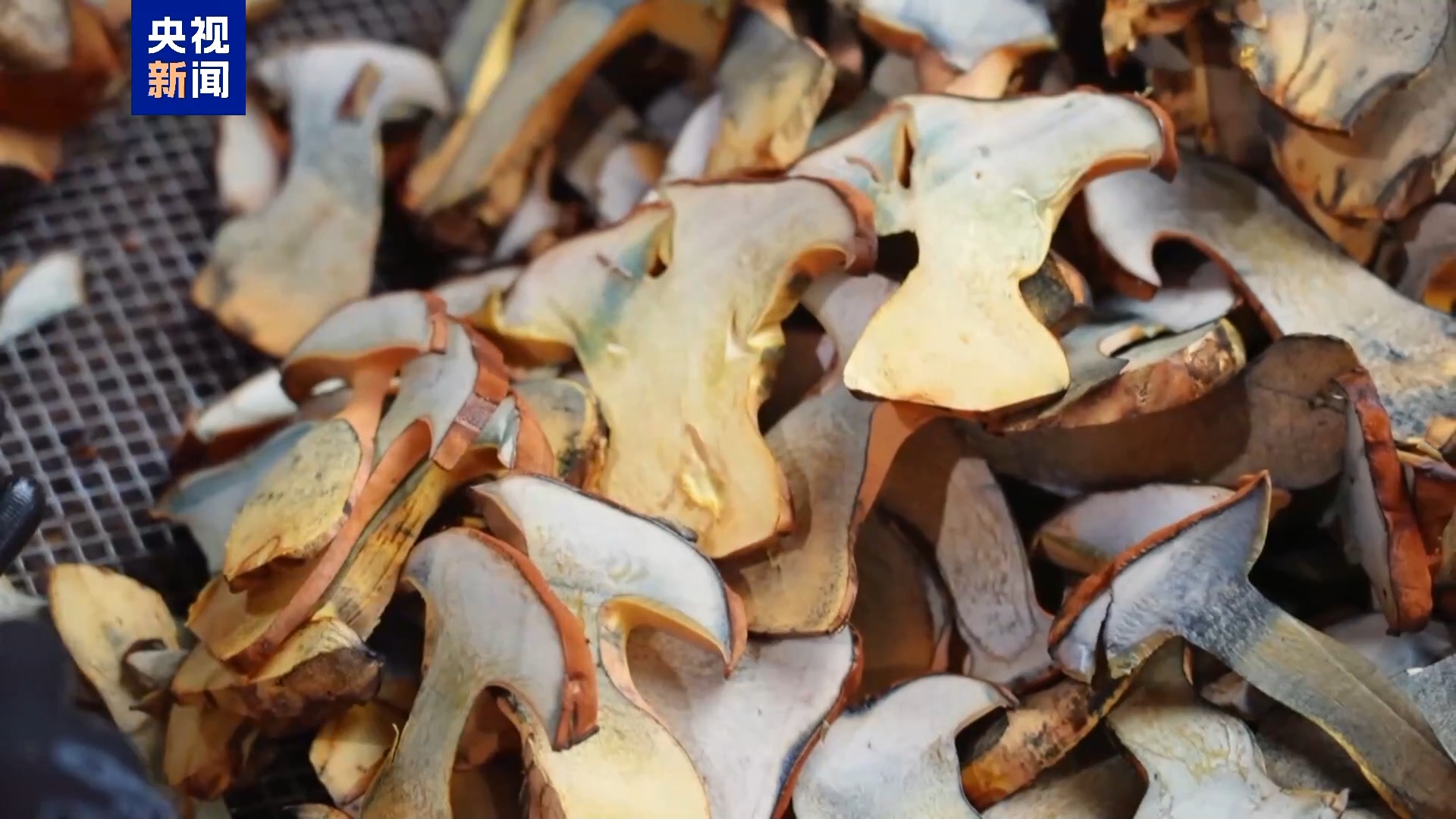 何绍东介绍,培育过程中采用标准化脱毒工艺处理,既完整保留了野生见手青的原生鲜香,也让菇体的食用安全性更有保障。
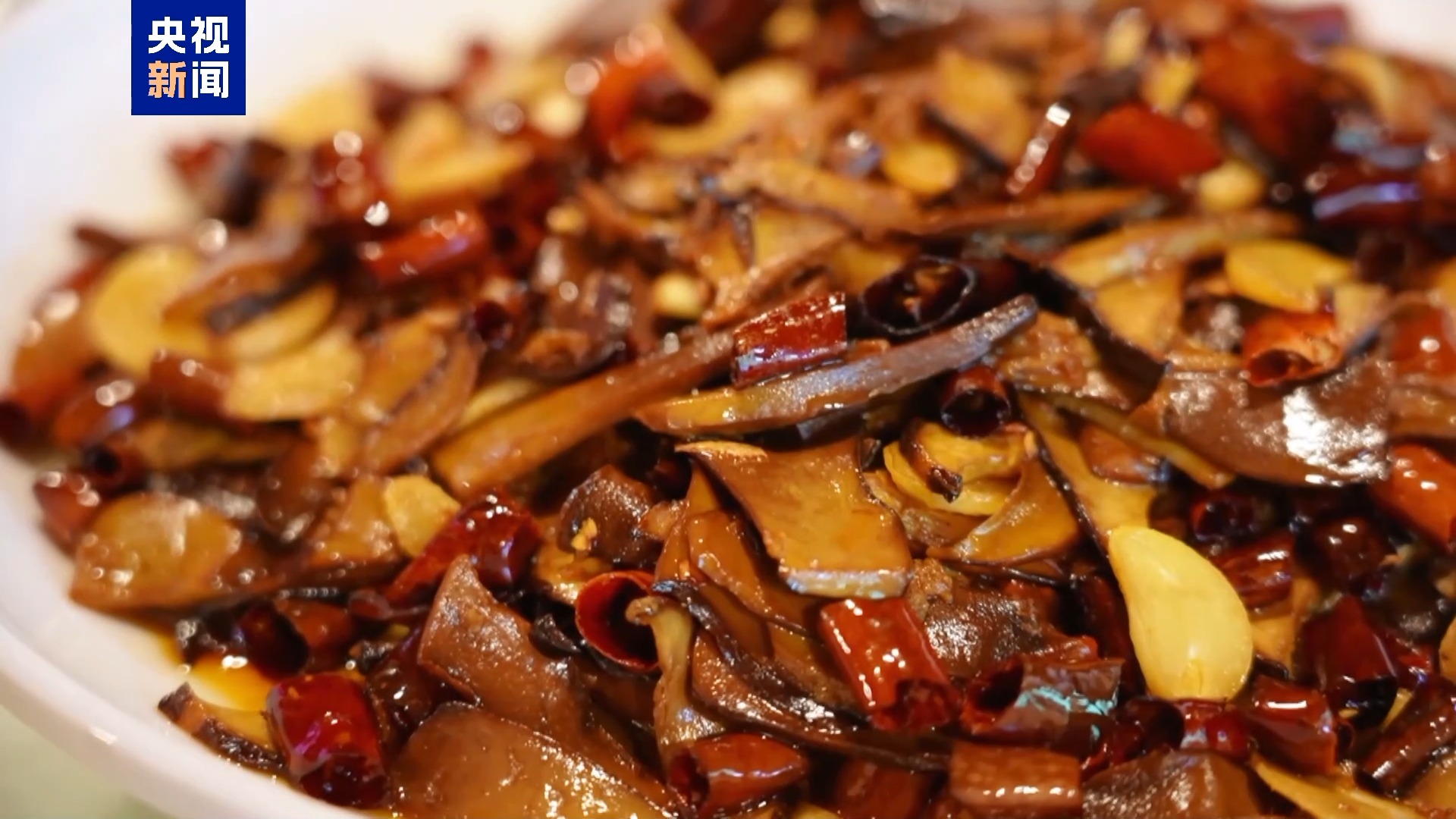 提醒广大消费者:人工培育的黄牛肝菌虽经过标准化脱毒处理,但食用前仍需充分高温烹煮,建议持续高温烹煮时长不低于15分钟,可选择爆炒、焖饭、搭配鸡鸭煲汤等做法;如果食用后出现头晕、视觉模糊、产生幻觉等不适症状,要第一时间前往医院就医,避免出现健康风险。
Current article:http://ixf6t.fanfutaopoulaxiong.pics/news/20260826_2914.html
Published on:02:07:47


