

- 博客访问:9384
- 博文数量: 684
- 用 户 组: 普通用户
- 注册时间:2026-08-26
- 认证徽章:
美国恐怖故事第三季


分类: 猎场
么么哒
Zero-tariff policies, systemic support help African countries expand exports, upgrade industry_我的网站

一 |
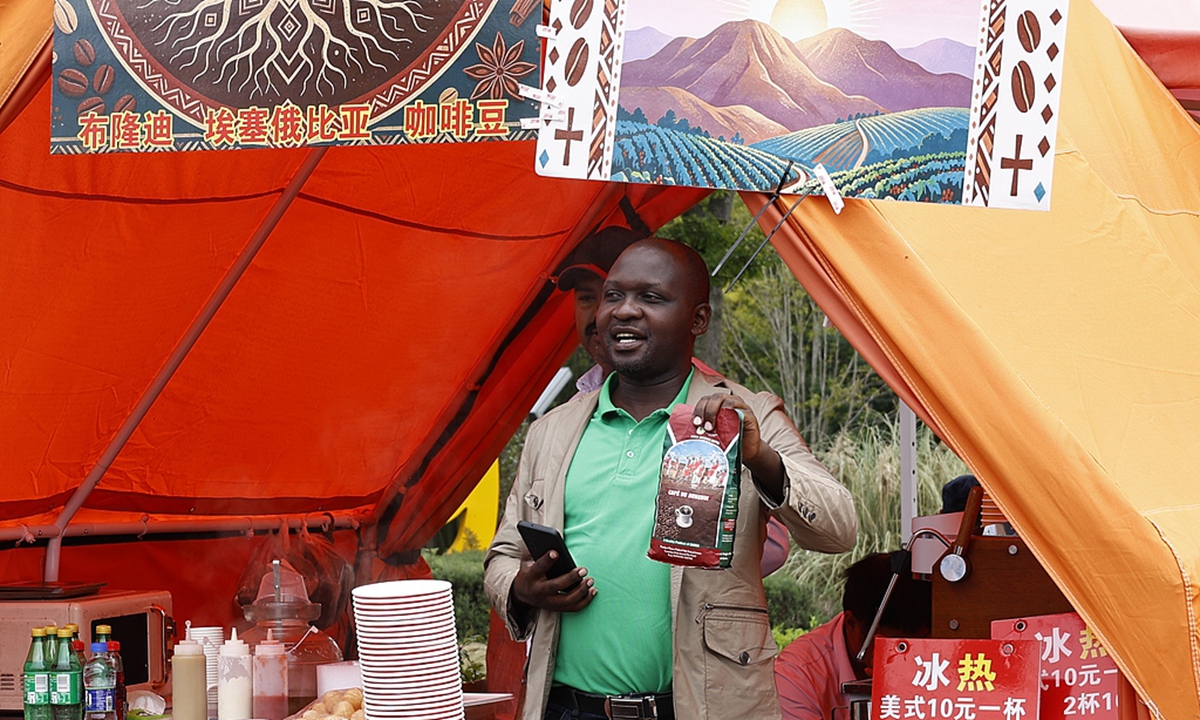
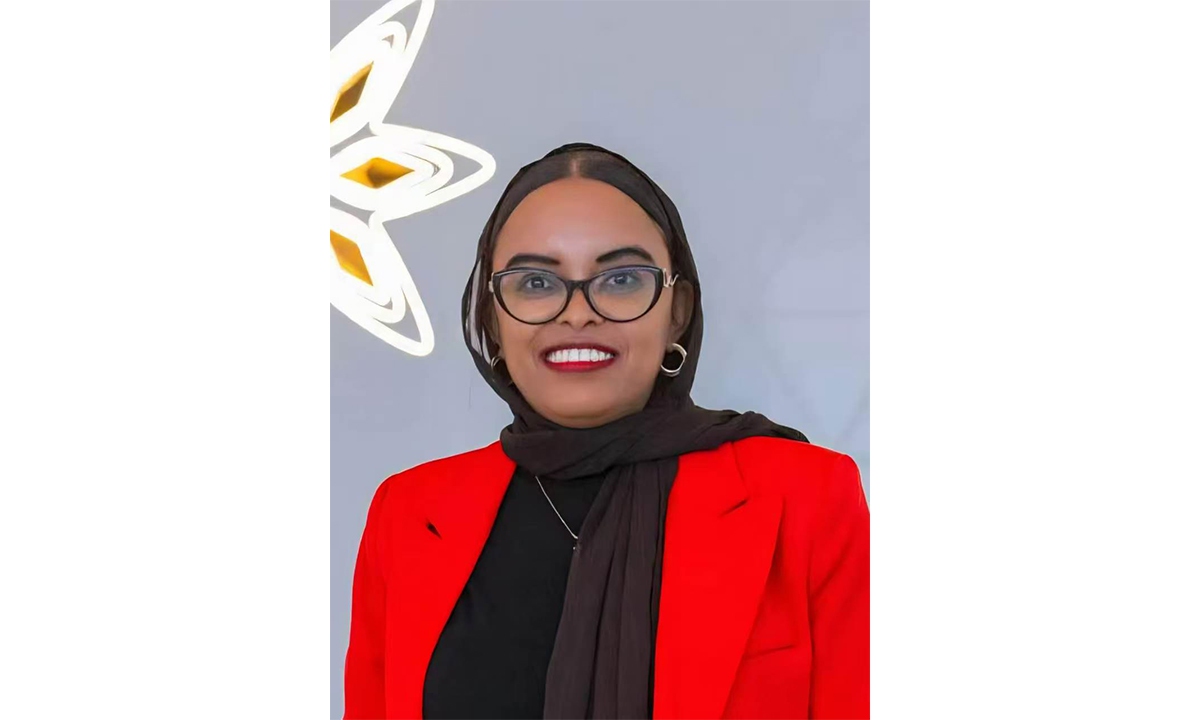
For Ethiopia, which is believed to be the birthplace of coffee, this initiative presents significant opportunities.
"Coffee is not only our leading agricultural export but also an integral part of our cultural heritage. For centuries, Ethiopians have preserved a unique coffee tradition, where families and neighbors gather to prepare and share coffee in a ceremony that symbolizes hospitality and friendship in community," Geleta said.
With improved market access, Ethiopian coffee exports to China are expected to grow substantially. China has become one of the world's fastest-growing coffee consumption markets and is now Ethiopia's third-largest coffee export destination, Geleta noted.
In 2025, China's coffee industry was valued at 354.9 billion yuan ($52.63 billion), up 13.3 percent year on year. Annual per capita consumption rose from 22.24 cups to 28.57 cups, while the value of coffee bean imports increased by 73.9 percent year on year, according to the 2026 China Urban Coffee Development Report released in July.
The Ethiopian diplomat believes China's zero-tariff policy will enhance the competitiveness of Ethiopian coffee, increase export earnings, and encourage greater investment across the coffee value chain, including processing, packaging, branding, logistics and quality certification.
Since July 20 this year, China has granted full market access to coffee beans meeting quarantine requirements from all African countries that have diplomatic ties with China. The full market access is regarded as a landmark achievement in China-Africa cooperation on agricultural market access.
Geleta said that Ethiopia warmly welcomes this landmark policy. Having joined China's zero-tariff arrangement in 2024, the East African country has already witnessed its positive impact on bilateral trade and economic cooperation.
"The policy goes beyond tariff preferences. It demonstrates a practical commitment to South-South cooperation based on mutual respect, shared development and win-win partnership," Geleta noted.
It creates new opportunities for African countries to diversify exports, strengthen productive capacity and participate more actively in global value chains, the diplomat said.
As members of the Global South, Ethiopia and China share a common vision of promoting inclusive and sustainable development. This zero-tariff initiative establishes a valuable benchmark for building agricultural trade rules that better reflect the development needs of emerging economies, she noted.
It also complements the objectives of the FOCAC and the African Continental Free Trade Area (AfCFTA) by supporting greater regional integration and international market access, said Geleta. AfCFTA is a flagship initiative of the African Union designed to transform the continent into the world's largest free-trade area, per the AU.
From Geleta's observation, the market access granted by China is not merely a trade policy, but also a practical example of development cooperation that benefits ordinary people.
Coffee farming sustains millions of Ethiopian households, so greater access to China's market bears direct significance for poverty alleviation, rural advancement and national economic transformation. The policies foster steady demand for Ethiopian coffee, increasing farmer's earnings and bolstering rural community resilience, she said. Such gains closely echo the China-proposed Global Development Initiative, which emphasizes poverty reduction, food security, inclusive growth and sustainable development.
The diplomat said Ethiopia welcomes Chinese investment in agricultural processing, cold-chain logistics, food manufacturing and value-added industries in Ethiopia. Such investment will support industrialization, technology transfer and job creation while strengthening resilient supply chains, Geleta added.
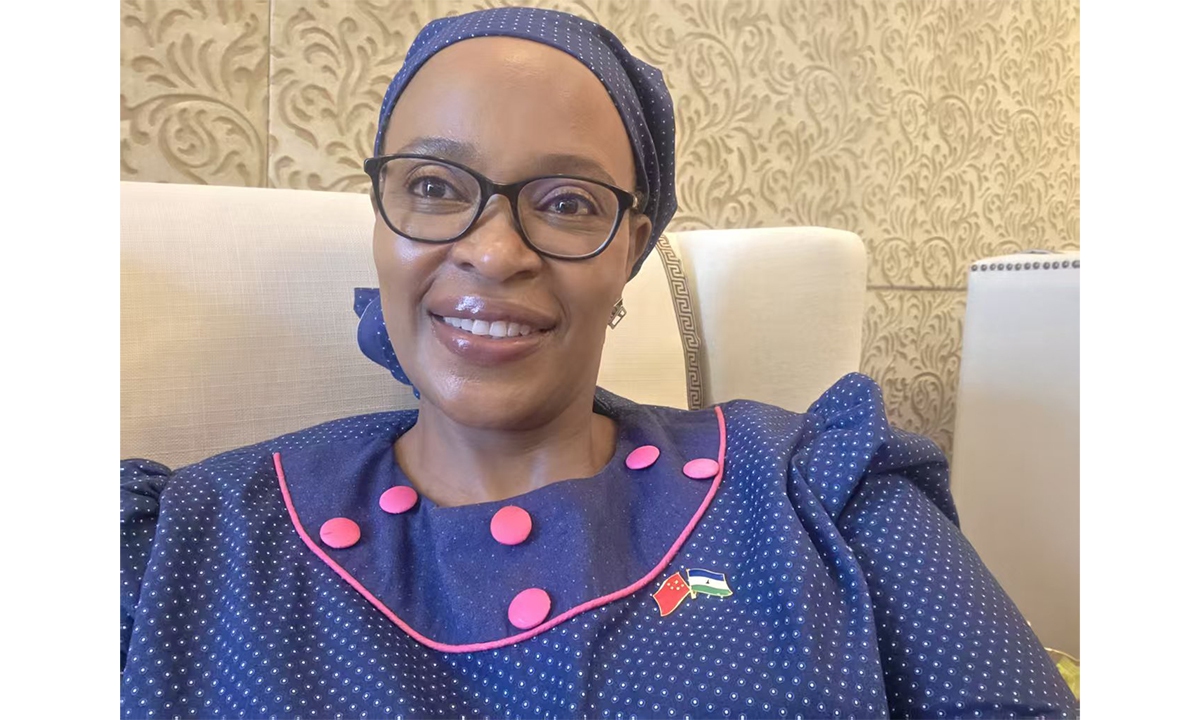
Mile said the policy provides a structured, phased approach to reducing trade difficulties and securing institutional guarantees. "It perfectly embodies the strong, historical foundations built through FOCAC over the years to forge a modernized, forward-looking economic future."
Amid comments saying that African countries still face challenges beyond tariffs, including logistics, standards and market-access capacity, Ambassador Mile of Lesotho said that tariff reduction is a necessary condition for trade expansion; however, more conditions are required to reach deals.
Take Lesotho, a landlocked country, for instance. The country faces acute logistical hurdles and high transport costs. Complying with sanitary and phytosanitary measures, as well as quality standards remains a massive challenge for many enterprises in Lesotho.
To fully benefit from the favorable tariff policy, Mile pointed to systemic technical support for African exporters, targeted investments in agro-processing, and enhanced trade facilitation.
"Initiatives recently introduced by China Customs, such as the 'Green Channel 2.0' for agricultural products and expanding authorized economic operator mutual recognition capacity building, are exactly the types of institutional support needed to overcome the non-tariff barriers," she elaborated.
。 最近一张华山索道候车厅的照片在社交平台传开了。

二 | 座椅一排排空着,导流栏杆也空着,往年这个档口,队伍要拐三道弯,能排两三个小时。发帖那位顺手算了笔账,门票160,进山摆渡40,西峰索道140,一个人光"进得了山"这几笔硬开销,就四百多打不住。一家三口出来玩,光门票、接驳、索道这几样,一千五就飞了。 评论区不少人晒自己的订单跟着附和,有人直接说"四百块起步,光想想都懒得动"。那么,这其中到底发生了什么? 每笔都合规,加起来就上头 那张空荡的候车厅照片,游客随手拍的,不是P的。 这件事能在网上传开,说到底戳中了不少人心里积压已久的感受。各项收费拆开单独看,好像都说得过去。160元门票有物价部门监管,定价合规;西峰索道修建在悬崖边,日常维护开销不小;北峰索道80元、往返摆渡车60元,对比国内其他名山,单项价位并不算离谱。 问题是,这些东西不是"你可以选一个",是"你必须一个接一个过"。不买门票,进不去景区大门。

三 | 不坐摆渡,到不了索道下站。

四 | 不坐索道,绝大多数普通人根本没本事爬到主景区。 网友给这种买法起了不少名字,"套娃收费"、"关卡计费"、"层层剥皮"、"进门税加通行税"。 腿脚不利索的呢?带老人小孩的家庭呢?那只能掏钱包了。 华山全程徒步这事,说着容易做着难。光千尺幢那一段,三百七十多级石阶,坡度接近垂直,年轻人爬两步都得歇口气,何况上了岁数的人。索道跟摆渡对这些人来讲,压根不是什么"锦上添花的服务",是绕不过去的开销。 我顺手翻了国内十几座名山的价目表,真不是华山一家这样。黄山门票190,两段索道八十到一百,景区交通30,再加西海大峡谷地轨缆车100,基础花费差不多就要四百。九寨沟门票190,观光车90,观光车基本没法不坐,不靠车辆很难逛完整片景区。 国内大多数五A的山,走的都是同一个套路:门票守大门,索道跟接驳车扛利润。

五 | 游客的旅行账本 先看文旅部最新数据,2026年五一国内出游3.25亿人次,同比涨3.6%,旅游总花费1854.92亿元,同比上涨2.9%。摊到每个人身上消费571元,对比2025年同期,人均还少花3块。

六 | 能看出来大家依旧想出门游玩,但花钱明显更谨慎。 同程暑期报告也说明,出行四天以上的游客占比从28.4%涨到47.1%。偏爱单纯住酒店、不赶景点的休闲游客,占比升至41%。

七 | 游客平均出游天数增加2.3天,三四线小城的旅游预订量,同比涨幅突破35%。 不少家庭现在宁愿在一个安逸的小城住一礼拜,也不愿意赶场似的把大景点全刷一遍。搁前几年,那会儿流行"特种兵式旅游",一天打卡五六个景点,半夜坐绿皮火车转场,白天靠红牛续命,现在这套玩法退潮得挺彻底。 大家出门比的不再是"我去了多少个地方",是"我这趟舒不舒服、钱花得值不值"。花一千多爬一次华山,排俩小时队坐十分钟索道,山顶买瓶饮料十几块,拍两张打卡照下山走人。越来越多的人觉得,这笔进山成本,划不来。

八 | 评判标准变了。以前问的是"去过没",现在问的是"值不值"。这种转向,砸得最疼的恰恰是靠门票和索道过活的山岳景区。 高毛利的索道生意 我翻了陕西旅游2025年的年报,全年旅游索道业务收入3.41亿,同比降了20.30%。旅游演艺业务收入6.02亿,同比降了18.46%。 索道这门生意,以前是公认的"印钞机"。华山西峰索道2024年乘索率飙到104%,啥意思?超载了,设计运力已经不够用了。那年客单价105块,光西峰这一条缆车年收入就有3.9亿,净利率接近一半。整个索道板块2024年总收入4.7亿,毛利率65%。你没看错,65%。每收100块索道费,65块都是净赚。 高毛利有个前提,得有源源不断的人排队。如果游客的消费习惯真换了赛道,靠索道和摆渡吃利润的这种模式,还能撑几年? 华山其实也出台了政策,7月12日起暑期门票半价,160元降到80元。只是索道和摆渡车收费维持原价。一家三口出行开销从一千五降到一千二百六,虽说省下两百多元,但优惠只落在门票上,并没有触及大家最在意的费用。 景区不是没动作,只是那一刀没砍到真正的痛处。游客嫌贵的从来不是门票本身,是那种一环套一环的连环支出,加上打了折的体验感。 门票便宜几十块,核心的收费结构没动过,游客自然不会买账。

九 | 从守着门票收钱,到把客人留下来 市场在变,政策的风向也在变。 2026年7月10日,文旅部召开例行新闻发布会,重点谈及景区收费调整。壶口瀑布推行一票通,武当山、稻城亚丁降低摆渡车票价,长白山调整摆渡车运营方式,把选择权交还给游客。发布会频繁提到“游客有感”。一项政策效果如何,不能只看文件,关键要看游客能不能得到真切的体验与实惠。 方向挺清楚:收费要透明,选择要交回去,不能逼着人一路消费。 已经有不少景区先动了。甘孜州推出"终身门票",管辖内14个景区单次门票加起来超千元,办一张终身卡才三百多。把景区从"收费关卡"改造成"引流入口",先把人吸引进来,后头的吃、住、玩、买手礼这些消费,慢慢赚。 黄山近两年推出徒步通票、早晚场优惠,还为老人和学生开辟专属通道,提供多样化选择。稻城亚丁力度更大,官宣从八月开始,所有完成实名预约的游客,在规定时段可以免门票入园。 这些花样看着五花八门,骨子里其实是一码事:门票可以少赚,甚至不赚,但人得留下。 游客在一个景区多待一天,吃饭、住宿、买点特产的消费就多一份。把眼睛从门口的门票费、缆车费上挪开,盯着游客整个停留期间的价值,赚的钱未必比原来少。 华山守着"五岳"的天然招牌,名气摆在那儿,山也是真的好山。但天然的名气,不会自动变成持续的人流。当游客的需求从"到此一游拍个照"变成"我要舒舒服服玩一趟",当大家的判断标准从"这景区有名"变成"这钱花得值",山岳景区要回答的问题就变了。

十 | 不再是"门票该不该降"。而是,除了收门票、卖索道票,你还能给我什么?名山这门生意,从来就不是靠一道道收费关卡垒起来的。 对了,问一句,你有没有过被景区的连环收费劝退过?返回,查看更多。
Current article:http://ixf6t.fanfutaopoulaxiong.pics/news/20260826_23400.html
Published on:04:25:49
- रूसी तेल नहीं ये है असली वजह... ट्रंप ने भारत पर क्यों लगाया 50% टैरिफ? US की दिग्गज कंपनी ने किया खुलासा
- 全区“两优一先”表彰大会召开
- 富达加码黄金押注美联储信誉危机与美元避险地位下滑
- Throwback: Dharmendra Received His First Black Lady From Dilip Kumar
- 08月26日亚太主要股指日报
- 校园采风 | 潜入深蓝, 探索生命的奥秘:星河湾学子的MBL探索之旅
- 牦牛闯入四川黄龙景区五彩池 官方通报:禁牧围栏遭人为破坏
- 货币ETF赎回到账时间?货币ETF赎回,T+1真的能到账吗?
- 机械革命Z2光超笔记本预售:RTX2060版本9999元
- China does not recognize so-called ‘Arunachal Pradesh' illegally set up by India: FM spokesperson
- 数字考古现场!魔改版Tesla M60现身二手市场:双芯16GB显存却不能用
- 全军覆没!8强都进不了的国乒男单,还能靠什么赢?
- 上半年食品冷链物流业务总需求量达2亿吨
- 《披荆斩棘的哥哥》嘉宾欢子称被恶意塑造“不上心”形象,已起诉湖南卫视,要求放出所有未经剪辑的视频画面证明自己清白
- 暑期护童心:严禁未成年人购买、兑付彩票


